

Your Chamber in Action: Representing Southwest Riverside County in Sacramento
Meeting with Lawmakers, Shaping Policy Discussions, and Championing Local Business Priorities
Last week, representatives from the Southwest California Legislative Council (SWCLC) traveled to Sacramento for the coalition's annual advocacy visit, meeting directly with state lawmakers and participating in statewide discussions about California's economic future.
The SWCLC is a partnership of the Chambers of Commerce serving Temecula, Murrieta/Wildomar, Menifee, and Lake Elsinore. Together, the coalition works to ensure that the voice of Southwest Riverside County's business community is represented in legislative and regulatory discussions that impact employers, job creation, affordability, healthcare, housing, and infrastructure.
Representing the Temecula Valley Chamber of Commerce were President/CEO Brooke Nunn and Andy Craig, Financial Advisor with Edward Jones. Throughout the two-day visit, the focus remained clear: advocating for policies that support a strong business climate and protect the long-term economic vitality of our region.
Day One: Bringing Local Business Priorities Directly to State Leaders
The first day was dedicated to legislative meetings at the Capitol Annex Swing Space. Guided by SWCLC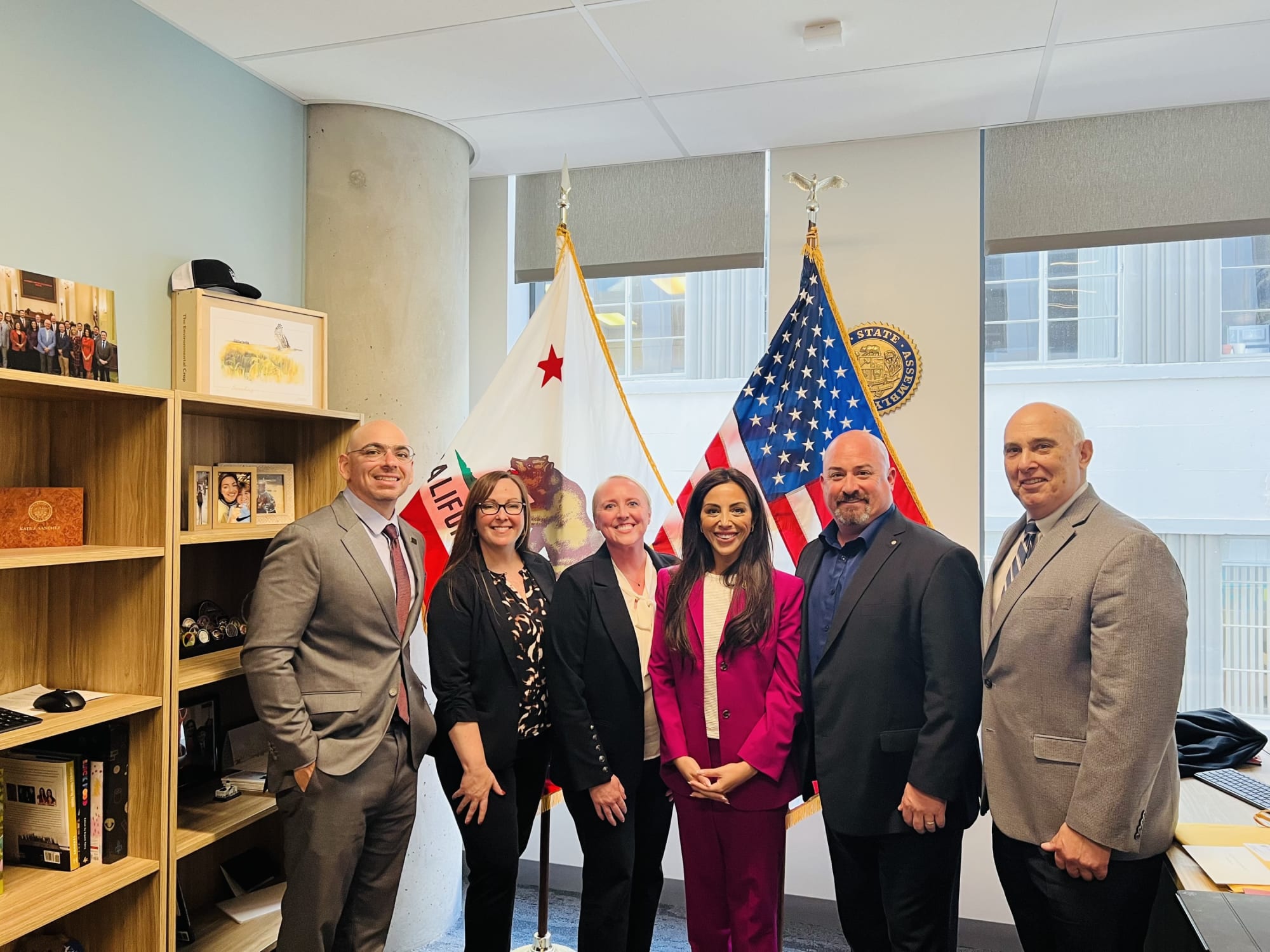 Legislative Consultant Adam Ruiz of Rincon Strategies, coalition members met with key legislators representing Southwest Riverside County communities:
- Senator Kelly Seyarto, 32nd District
- Assemblymember Kate Sanchez, 71st District
- Senator Rosilicie Ochoa Bogh, 19th District
- Senator Sabrina Cervantes' Office, represented by Chief of Staff Cesar Anda, 31st District
- Assemblymember Natasha Johnson, 63rd District
During these meetings, SWCLC discussed several bills currently moving through the Legislature that could have significant impacts on employers, healthcare providers, energy affordability, and water reliability.
Protecting Businesses from Increased Litigation Risk
One of the coalition's priorities was opposition to AB 1776, legislation that would expand California's antitrust laws by allowing legal action against individual companies without requiring evidence of coordination or collusion. SWCLC expressed concern that the bill could expose businesses to costly litigation based on routine competitive business decisions, creating uncertainty and increasing legal expenses for employers operating in California.
Addressing Healthcare and Artificial Intelligence Regulations
The coalition also discussed concerns regarding AB 1979 and AB 2575, two healthcare-related artificial intelligence bills. Representatives from Kaiser Permanente joined these discussions to provide a perspective on how the proposals could affect healthcare delivery. While SWCLC supports responsible use of emerging technologies, concerns were raised that these measures could create overlapping regulations, increase liability exposure, and limit the ability of healthcare providers to responsibly implement innovative tools that improve patient care and operational efficiency.
Preserving Energy Choice and Affordability
Another key discussion centered on SB 1359, the Gas Transition Responsibility and Electrification Act. SWCLC expressed concerns that the proposal could accelerate the retirement of natural gas infrastructure and increase energy costs for businesses, manufacturers, and residents. Coalition representatives emphasized the importance of maintaining affordable and reliable energy options while pursuing California's environmental goals.
Supporting Long-Term Water Reliability
Water remains one of the most critical economic issues facing Southern California. For that reason, SWCLC voiced support for AB 2215, legislation that would extend key State Water Project water rights permits through 2085. The bill helps preserve access to water resources that support millions of residents and businesses throughout Southern California and provides greater certainty for long-term water planning.
Continuing Opposition to the Golden Pacific Powerlink Project Route
The Temecula Valley Chamber also took the opportunity to thank Senator Kelly Seyarto and Assemblymember Kate Sanchez for their leadership in opposing the proposed SDG&E Golden Pacific Powerlink transmission line route through the Temecula Valley. (To learn more about this project, click here.) Both legislators have been strong advocates for local communities, expressing their concerns directly to project officials and supporting efforts to protect the region's residents, businesses, tourism industry, and quality of life. Their partnership has been instrumental in elevating local concerns at the state level.
Day Two: Key Economic and Policy Trends Impacting California Businesses
The second day focused on the California Business Outlook and Dinner hosted by the California Chamber of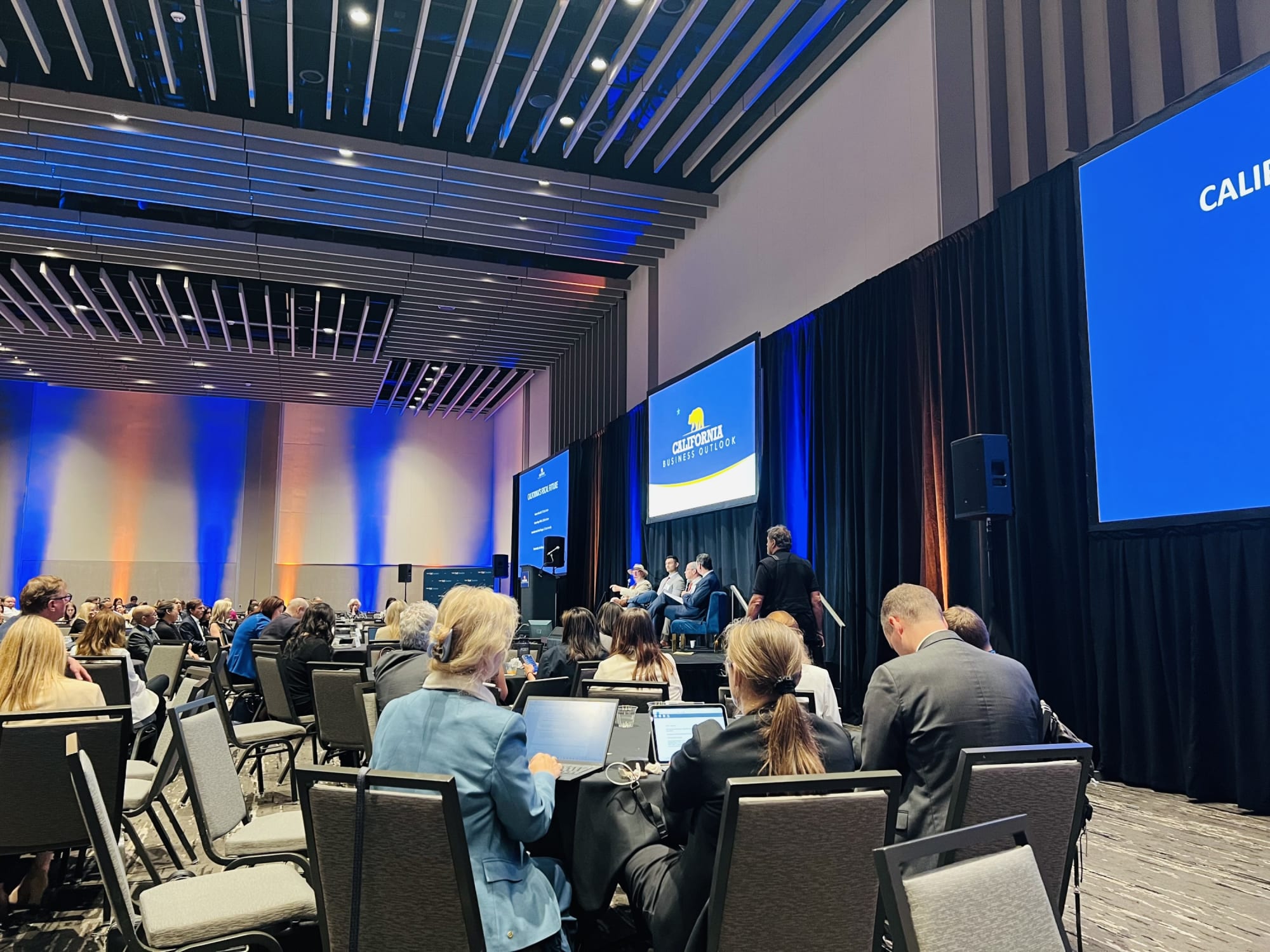 Commerce, where business leaders from across the state gathered to discuss California's economic outlook, voter priorities, budget challenges, and emerging policy issues. Several key themes emerged that are particularly relevant to businesses in the Temecula Valley and throughout Southwest Riverside County.
Affordability Continues to Drive Voter Priorities
According to statewide voter research presented during the conference, affordability remains the number one issue facing Californians. Voters overwhelmingly believe state policies contribute to rising costs, and nearly three out of four Californians believe it is easier to achieve the American Dream outside of California.
When asked to choose between reducing the cost of living and maintaining environmental protections, 79% of voters prioritized affordability. Additionally, 82% supported streamlining permitting processes for essential projects such as housing, transportation, healthcare facilities, and energy infrastructure. These findings suggest growing public support for policies that reduce regulatory barriers and improve California's competitiveness.
California's Job Creation Climate Faces Challenges
Survey data revealed that only 5% of Californians believe the state is creating "a lot" of new jobs, while 61% reported seeing few or almost no new jobs being created. Voters also identified state-level policies as having the greatest influence on job creation, exceeding the perceived impact of local or federal government actions. For employers, this reinforces the importance of legislative advocacy around workforce development, business regulations, taxation, and economic growth policies.
Budget Surpluses Mask Long-Term Fiscal Concerns
State budget experts noted that California is experiencing a temporary revenue surge of approximately $16 billion to $20 billion, largely driven by gains in technology and artificial intelligence-related investments. However, panelists also warned that California continues to face an estimated structural deficit of $15 billion to $20 billion annually. Additionally, 42% of state revenues are tied to capital gains, making California's budget highly dependent on stock market performance and vulnerable to economic downturns. Another concern for employers is the state's outstanding unemployment insurance debt, estimated between $18 billion and $20 billion. Without a long-term solution, businesses may continue to see annual increases in unemployment insurance taxes for years to come.
Artificial Intelligence Creates Opportunity and Policy Challenges
Artificial intelligence was a major focus throughout the conference. Legislators and industry leaders agreed that California has an opportunity to remain a global leader in AI innovation, but cautioned that regulations must balance consumer protections with economic competitiveness.
Research presented during the event showed public perception of AI has shifted significantly in recent years. While many Californians initially viewed AI negatively, attitudes have become increasingly positive as technologies such as ChatGPT, navigation systems, and automated tools become integrated into daily life. Panelists emphasized the growing need for AI literacy, workforce training, and educational investments to ensure businesses and workers can adapt to rapidly changing technologies.
A New Tool to Measure California's Economic Health
During the California Business Dinner, the California CEO Council unveiled a new California Economic Dashboard designed to track the state's economic performance and competitiveness. The dashboard measures key areas including workforce readiness, business climate, economic prosperity, housing, infrastructure, and community well-being. It uses data from across California and allows users to view information down to the county level.
For business owners, the dashboard provides a clearer picture of how California is performing and can help policymakers make more informed decisions about issues such as affordability, housing, workforce development, and economic growth. The Chamber looks forward to following this new tool and the insights it may provide for Southwest Riverside County and businesses throughout our region.
Looking Ahead to the 2026 Ballot and Elections
Attendees also received an update on the 2026 election landscape. California is expected to see between 15 and 18 statewide ballot measures this November, significantly higher than the historical average of 8 to 12 measures. Issues expected to dominate the ballot include taxes, healthcare, government spending, business regulations, and environmental policy. Experts projected that campaign spending could exceed $1 billion statewide, making this one of the most expensive ballot cycles in California history.
Speakers noted that voters continue to demonstrate more moderate views on economic issues than are often reflected in Sacramento policy debates, creating opportunities for business organizations to engage more actively in shaping statewide conversations.
Why This Matters to Local Businesses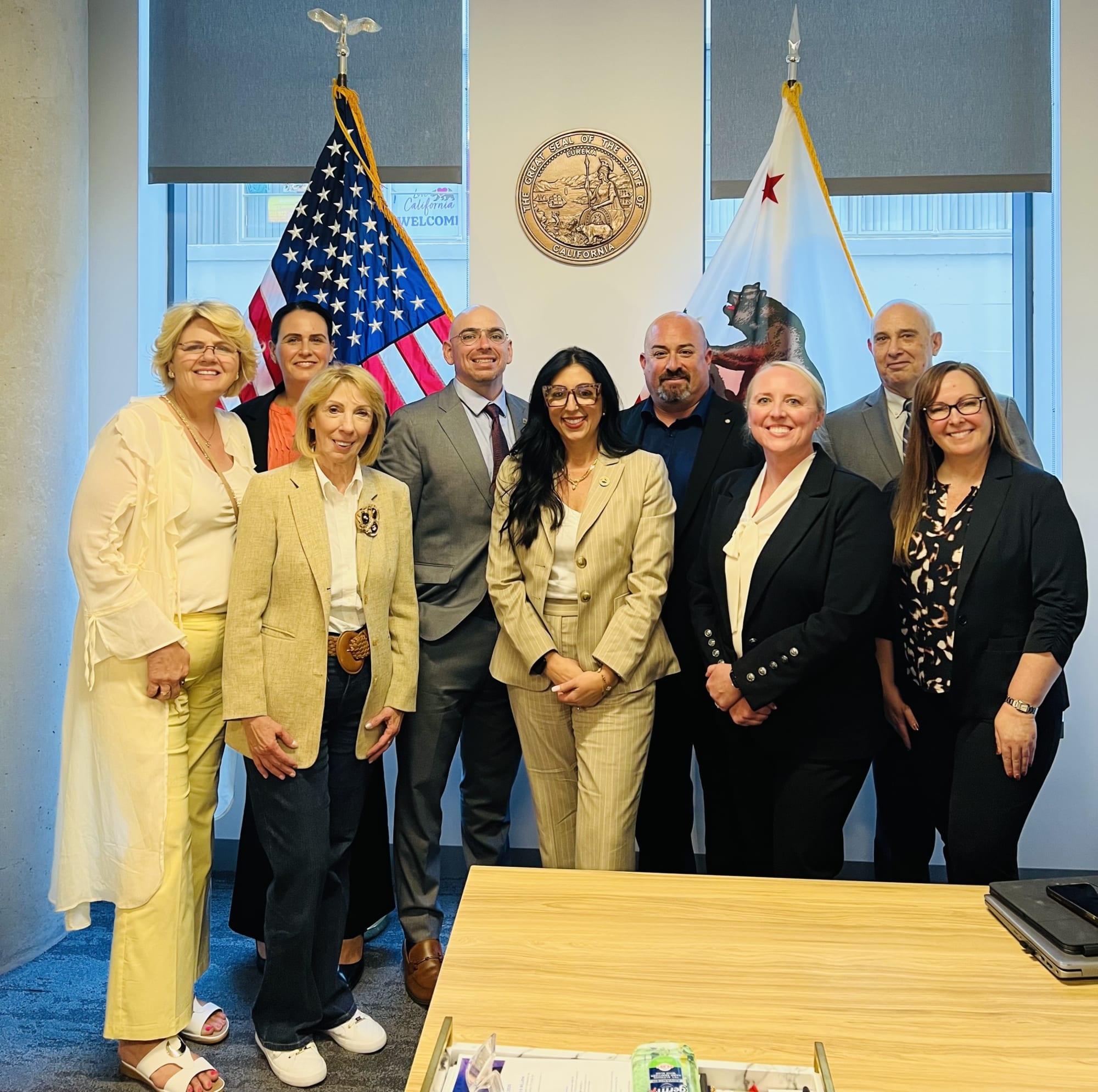
Many of the decisions made in Sacramento directly impact the cost of doing business in Southwest Riverside County. Whether the issue involves healthcare regulations, energy policy, water reliability, taxation, workforce development, or permitting processes, local employers often feel the effects first.
By maintaining a presence in Sacramento and building relationships with elected officials, the Temecula Valley Chamber and the Southwest California Legislative Council help ensure that the unique needs of our region are heard and considered during the policymaking process.
Advocacy remains one of the Chamber's core responsibilities. Through partnerships like SWCLC, we continue working to support policies that strengthen the business climate, encourage economic growth, and protect the long-term prosperity of the Temecula Valley and Southwest Riverside County.
We appreciate the time and engagement of our legislative representatives and look forward to continuing these important conversations throughout the year.